
AI vs Human Therapy

Article by Shaarika Menon – Chief Consultant Psychologist & Founder, Mindport Carevilla

Artificial intelligence is transforming nearly every industry. Today, AI can write essays, analyze medical scans, and even simulate conversation. Naturally, this raises an important question in the field of mental health:

Can AI replace human therapists?

AI-powered tools are available around the clock. They can provide coping techniques, guide breathing exercises, and even draw from established approaches like Cognitive Behavioural Therapy (CBT). On the surface, this sounds like a breakthrough for mental healthcare.

But when it comes to healing the human mind, technology alone is not enough.

At Mindport Carevilla, we believe that while technology can support care, true healing is rooted in human connection. While our approach is deeply rooted in evidence-based care, our philosophy centers on dignity, compassion, and meaningful relationships—because recovery is not just about techniques, but about the people who walk alongside you.

1. Healing Begins with Human Connection

Therapy is not simply a set of techniques or worksheets. At its core, it is a relationship.

The trust that develops between a client and a therapist becomes a powerful foundation for change. In that space, individuals feel safe enough to share their deepest fears, struggles, and vulnerabilities.

AI can simulate empathy through words, but it cannot truly feel empathy. It cannot sit with someone in silence, acknowledge their pain with genuine understanding, or share in the quiet relief that follows a breakthrough moment.

Being seen, heard, and accepted by another human being—what psychologists describe as unconditional positive regard—is one of the most powerful elements of therapy. This is something no algorithm can replicate.
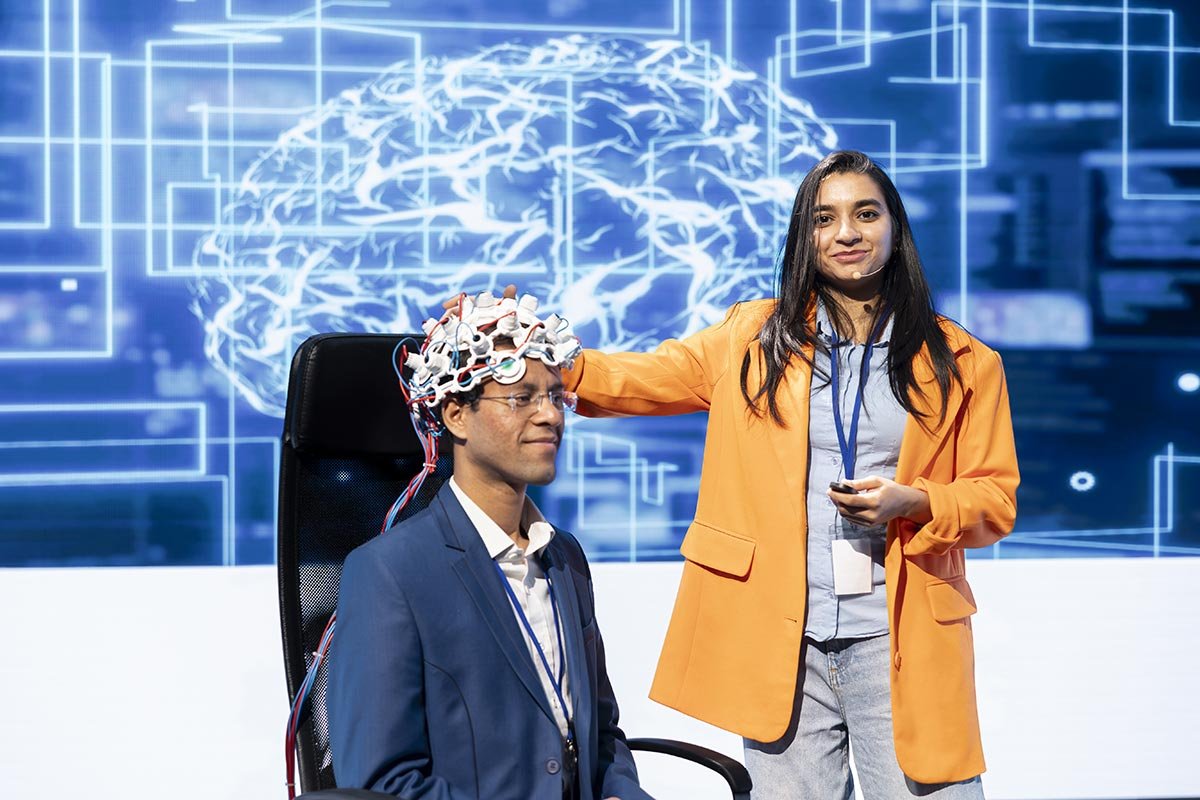
Human Connection

2. Therapy Is More Than Words

Human communication extends far beyond what is spoken.

Experienced therapists constantly observe subtle signals: a tremor in the voice, a hesitation before answering, the way someone’s posture shifts when discussing painful memories.

AI systems typically rely on text-based input. Without the richness of facial expressions, tone, and body language, they miss the deeper context of a person’s emotional experience.

3. Every Mind Is Unique

Mental health journeys rarely follow a predictable path.

Human therapists can adapt instantly—changing direction, exploring deeper themes, or adjusting techniques based on the client’s emotional state.

4. Safety, Responsibility, and Care

Therapy is also about creating a safe and accountable space. Mental health professionals operate within strict ethical guidelines and clinical training.

At Carevilla, our 24/7 support means that a trained and compassionate professional is always there when it matters most.

Technology Has a Role—But Not the Leading One

  • Providing educational resources between sessions
  • Reinforcing coping strategies
  • Tracking mood and stress patterns
  • Supporting clinicians administratively

Healing Requires Humanity

When someone is struggling with trauma, addiction, depression, or complex mental health challenges, what they need most is not a sophisticated algorithm.

They need understanding, compassion, and human connection.

AI may process information.
But only people can truly help other people heal.

AI vs Human Therapy

The Algorithm Can’t Hold Your Hand: Why AI Can Never Replace Human Therapy

Article by Shaarika Menon – Chief Consultant Psychologist & Founder, Mindport Carevilla

Artificial intelligence is transforming nearly every industry. Today, AI can write essays, analyze medical scans, and even simulate conversation. Naturally, this raises an important question in the field of mental health:

Can AI replace human therapists?

AI-powered tools are available around the clock. They can provide coping techniques, guide breathing exercises, and even draw from established approaches like Cognitive Behavioural Therapy (CBT). On the surface, this sounds like a breakthrough for mental healthcare.

But when it comes to healing the human mind, technology alone is not enough.

At Mindport Carevilla, we believe that while technology can support care, true healing is rooted in human connection. While our approach is deeply rooted in evidence-based care, our philosophy centers on dignity, compassion, and meaningful relationships—because recovery is not just about techniques, but about the people who walk alongside you.

1. Healing Begins with Human Connection

Therapy is not simply a set of techniques or worksheets. At its core, it is a relationship.

The trust that develops between a client and a therapist becomes a powerful foundation for change. In that space, individuals feel safe enough to share their deepest fears, struggles, and vulnerabilities.

AI can simulate empathy through words, but it cannot truly feel empathy. It cannot sit with someone in silence, acknowledge their pain with genuine understanding, or share in the quiet relief that follows a breakthrough moment.

Being seen, heard, and accepted by another human being—what psychologists describe as unconditional positive regard—is one of the most powerful elements of therapy. This is something no algorithm can replicate.

Human Connection

2. Therapy Is More Than Words

Human communication extends far beyond what is spoken.

Experienced therapists constantly observe subtle signals: a tremor in the voice, a hesitation before answering, the way someone’s posture shifts when discussing painful memories.

AI systems typically rely on text-based input. Without the richness of facial expressions, tone, and body language, they miss the deeper context of a person’s emotional experience.

3. Every Mind Is Unique

Mental health journeys rarely follow a predictable path.

Human therapists can adapt instantly—changing direction, exploring deeper themes, or adjusting techniques based on the client’s emotional state.

4. Safety, Responsibility, and Care

Therapy is also about creating a safe and accountable space. Mental health professionals operate within strict ethical guidelines and clinical training.

At Carevilla, our 24/7 support means that a trained and compassionate professional is always there when it matters most.

Technology Has a Role—But Not the Leading One

  • Providing educational resources between sessions
  • Reinforcing coping strategies
  • Tracking mood and stress patterns
  • Supporting clinicians administratively

Healing Requires Humanity

When someone is struggling with trauma, addiction, depression, or complex mental health challenges, what they need most is not a sophisticated algorithm.

They need understanding, compassion, and human connection.

AI may process information.
But only people can truly help other people heal.

AI vs Human Therapy

The Algorithm Can’t Hold Your Hand: Why AI Can Never Replace Human Therapy

Article by Shaarika Menon – Chief Consultant Psychologist & Founder, Mindport Carevilla

Artificial intelligence is transforming nearly every industry. Today, AI can write essays, analyze medical scans, and even simulate conversation. Naturally, this raises an important question in the field of mental health:

Can AI replace human therapists?

AI-powered tools are available around the clock. They can provide coping techniques, guide breathing exercises, and even draw from established approaches like Cognitive Behavioural Therapy (CBT). On the surface, this sounds like a breakthrough for mental healthcare.

But when it comes to healing the human mind, technology alone is not enough.

At Mindport Carevilla, we believe that while technology can support care, true healing is rooted in human connection. While our approach is deeply rooted in evidence-based care, our philosophy centers on dignity, compassion, and meaningful relationships—because recovery is not just about techniques, but about the people who walk alongside you.

1. Healing Begins with Human Connection

Therapy is not simply a set of techniques or worksheets. At its core, it is a relationship.

The trust that develops between a client and a therapist becomes a powerful foundation for change. In that space, individuals feel safe enough to share their deepest fears, struggles, and vulnerabilities.

AI can simulate empathy through words, but it cannot truly feel empathy. It cannot sit with someone in silence, acknowledge their pain with genuine understanding, or share in the quiet relief that follows a breakthrough moment.

Being seen, heard, and accepted by another human being—what psychologists describe as unconditional positive regard—is one of the most powerful elements of therapy. This is something no algorithm can replicate.

Human Connection

2. Therapy Is More Than Words

Human communication extends far beyond what is spoken.

Experienced therapists constantly observe subtle signals: a tremor in the voice, a hesitation before answering, the way someone’s posture shifts when discussing painful memories.

AI systems typically rely on text-based input. Without the richness of facial expressions, tone, and body language, they miss the deeper context of a person’s emotional experience.

3. Every Mind Is Unique

Mental health journeys rarely follow a predictable path.

Human therapists can adapt instantly—changing direction, exploring deeper themes, or adjusting techniques based on the client’s emotional state.

4. Safety, Responsibility, and Care

Therapy is also about creating a safe and accountable space. Mental health professionals operate within strict ethical guidelines and clinical training.

At Carevilla, our 24/7 support means that a trained and compassionate professional is always there when it matters most.

Technology Has a Role—But Not the Leading One

  • Providing educational resources between sessions
  • Reinforcing coping strategies
  • Tracking mood and stress patterns
  • Supporting clinicians administratively

Healing Requires Humanity

When someone is struggling with trauma, addiction, depression, or complex mental health challenges, what they need most is not a sophisticated algorithm.

They need understanding, compassion, and human connection.

AI may process information.
But only people can truly help other people heal.

Chat with Mindport Carevilla on WhatsApp